Thank you! Your submission has been received!
Oops! Something went wrong while submitting the form.

A decade ago, landing a job often followed a predictable formula. Earn a degree, build a resume, apply to positions, and highlight years of experience. While education and experience still matter, the hiring landscape of 2026 looks dramatically different.
Organizations today are operating in an environment shaped by artifical intelligence, automation, digital transformation, remote work, and rapidly changing business needs. As industries evolve, so do employer expectations. Recruiters are no longer focused solely on where a candidate studied or how many years they have spent in a particular role. Instead, they are looking for people who can adapt, learn continuously, solve problems, collaborate effectively, and create measurable value.
The modern workforce demands agility. New technologies emerge faster than traditional educational systems can update curricula, and job roles are evolving at an unprecedented pace. In response, employers have shifted toward skills-first hiring strategies that prioritize what candidates can do over where they learned to do it.
This transformation raises an important question for students, recent graduates, and working professionals alike: What are recruiters actually looking for in candidates in 2026?
Understanding the answer can help job seekers position themselves more effectively and prepare for long-term career success in an increasingly competitive marketplace.
Recruitment has undergone a significant transformation over the past several years. Organizations have discovered that traditional hiring methods often fail to identify the best talent. Degrees and job titles alone do not always predict workplace performance, adaptability, or future potential.
As a result, many employers have embraced skills-based hiring. Rather than using educational credentials as the primary screening criterion, recruiters increasingly evaluate candidates based on demonstrated competencies, practical experience, and their ability to contribute immediately.
This shift benefits a broader range of candidates. Career changers, self-taught professionals, and individuals who have gained expertise through certifications, internships, projects, or alternative education pathways now have greater opportunities to compete for meaningful roles.
For recruiters, the goal is simple: find people who can solve problems, learn quickly, and deliver results. The hiring process has become less about checking boxes and more about understanding a candidate's capabilities and potential.
Technology has also changed how recruiters identify talent. Artificial intelligence now assists with resume screening, candidate matching, interview scheduling, and skills assessments. These tools help organizations process large applicant pools more efficiently, but they have also created new expectations for job seekers.
Candidates must understand that their applications are often reviewed by both technology and humans. A resume that clearly communicates relevant skills, achievements, and keywords can improve visibility in automated systems while still appealing to recruiters who ultimately make hiring decisions.
At the same time, authenticity has become increasingly important. While AI can help candidates prepare resumes or practice interviews, recruiters remain highly focused on identifying genuine experiences, original thinking, and real accomplishments.
One of the most significant shifts in hiring is the growing emphasis on proof.
In previous years, candidates often described themselves using broad statements such as "strong communicator," "team player," or "problem solver." Today, recruiters want evidence.
Instead of simply claiming a skill, successful candidates demonstrate it through projects, portfolios, certifications, case studies, measurable achievements, and practical work experience.
A software developer may showcase applications they have built. A marketing professional might present campaign results and performance metrics. A business analyst could share examples of process improvements that generated efficiencies. Healthcare professionals may highlight patient outcomes, certifications, or specialized training.
The underlying principle remains the same across industries: evidence creates credibility.
Recruiters increasingly trust demonstrated competency over self-reported strengths because real examples provide insight into how candidates perform in practical situations. When candidates can clearly show how they applied their knowledge and what results they achieved, hiring managers gain confidence in their ability to succeed.
Continuous learning has also become a powerful signal of professional readiness. Industries are changing so quickly that recruiters often place significant value on candidates who actively pursue new knowledge and skills.
Professional certifications, online courses, industry workshops, micro-credentials, and specialized training demonstrate curiosity, initiative, and commitment to growth. Employers recognize that future success depends not only on current expertise but also on a person's willingness to evolve alongside changing technologies and business demands.
If there is one quality that consistently appears across recruiter surveys and hiring trends, it is adaptability.
Organizations face constant disruption. New technologies emerge, customer expectations shift, business models evolve, and economic conditions change. In this environment, employees who can learn quickly and adapt effectively become invaluable assets.
Recruiters are increasingly assessing how candidates respond to change. During interviews, they often explore situations where applicants faced unfamiliar challenges, learned new skills, managed uncertainty, or adjusted to changing priorities.
The strongest candidates are not necessarily those with perfect experience. Instead, they are individuals who demonstrate resilience, flexibility, and a willingness to embrace new opportunities.
Career transitions are becoming more common than ever before. Many professionals now move across industries, pursue project-based work, or develop expertise in multiple disciplines throughout their careers. Recruiters recognize this reality and frequently view diverse experiences as strengths rather than limitations.
The ability to learn, adapt, and grow often outweighs possessing every technical requirement listed in a job description.
Technology is no longer confined to technology departments.
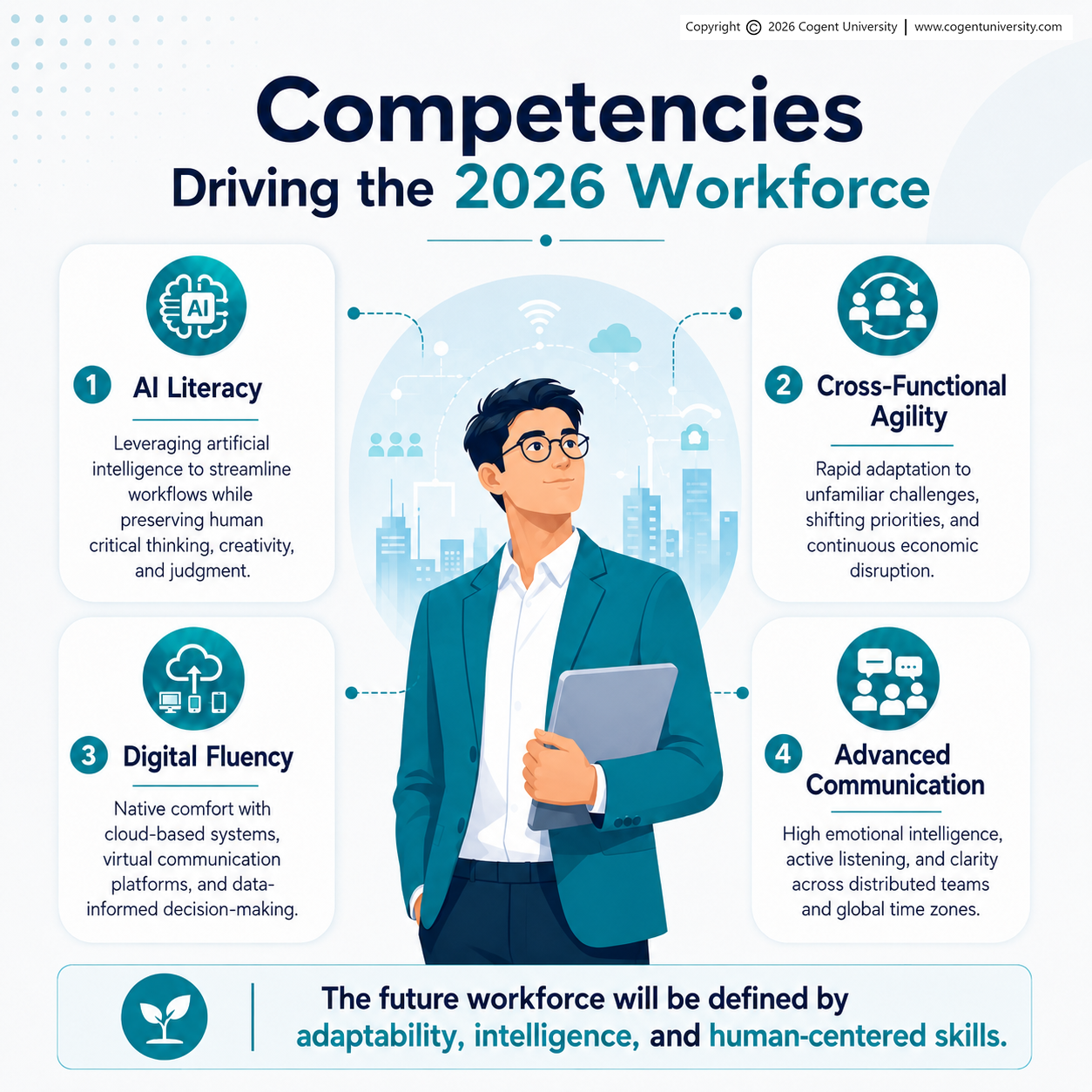
Whether someone works in healthcare, education, finance, logistics, marketing, human resources, or operations, digital tools have become an essential part of daily work. As a result, recruiters increasingly expect candidates to demonstrate a baseline level of digital fluency.
This does not mean every candidate must become a programmer or data scientist. However, employers do expect comfort with digital collaboration platforms, virtual communication tools, cloud-based systems, and data-informed decision-making.
AI literacy has emerged as an especially important competency in 2026. Recruiters understand that artificial intelligence is becoming integrated into workplace processes across industries. Candidates who understand how AI can improve productivity, support decision-making, and enhance workflows often stand out during hiring conversations.
However, recruiters are not looking for candidates who rely entirely on AI. They want professionals who understand both the benefits and limitations of these tools.
The most attractive candidates use AI to enhance their effectiveness while maintaining critical thinking, creativity, judgment, and accountability. In other words, technology should amplify human capability rather than replace it.
As technology continues to advance, human skills have become even more valuable.
Among these skills, communication consistently ranks as one of the most sought-after qualities among recruiters.
Organizations rely on employees who can explain ideas clearly, collaborate effectively, build relationships, and navigate complex workplace interactions. Whether communicating with colleagues, clients, customers, or leadership teams, the ability to exchange information effectively influences nearly every aspect of professional success.
Remote and hybrid work environments have further increased the importance of communication. Employees frequently collaborate across locations, time zones, and cultures, making clarity and professionalism essential.
Recruiters often begin evaluating communication skills long before an interview starts. Every interaction, from emails and application materials to virtual interviews and networking conversations, provides insight into a candidate's communication abilities.
Strong communicators demonstrate active listening, thoughtful responses, emotional intelligence, and the ability to adapt their message for different audiences. These qualities remain difficult to automate, making them increasingly valuable in an AI-driven workplace.
Organizations today face complex challenges that require creative thinking and effective decision-making. As a result, recruiters increasingly prioritize candidates who can solve problems rather than simply execute tasks.
Employers want individuals who can identify opportunities, analyze situations, develop solutions, and contribute meaningful improvements. This expectation applies across industries and job levels.
Candidates who stand out often frame their experiences in terms of outcomes rather than responsibilities.
Instead of saying, "I managed social media accounts," a stronger candidate might explain how their strategy increased engagement by 40 percent. Rather than stating, "I supported operations," they may describe how they streamlined a process, reducing completion times and improving efficiency.
This approach demonstrates impact.
Recruiters want to understand not only what candidates did but also why it mattered and what results were achieved. Quantifiable accomplishments help employers visualize future contributions and differentiate applicants from competitors with similar backgrounds.
In 2026, a candidate's professional presence extends beyond their resume.
Recruiters frequently research applicants online before scheduling interviews. Professional networking platforms, digital portfolios, industry contributions, and thought leadership activities provide valuable insight into a candidate's expertise, interests, and credibility.
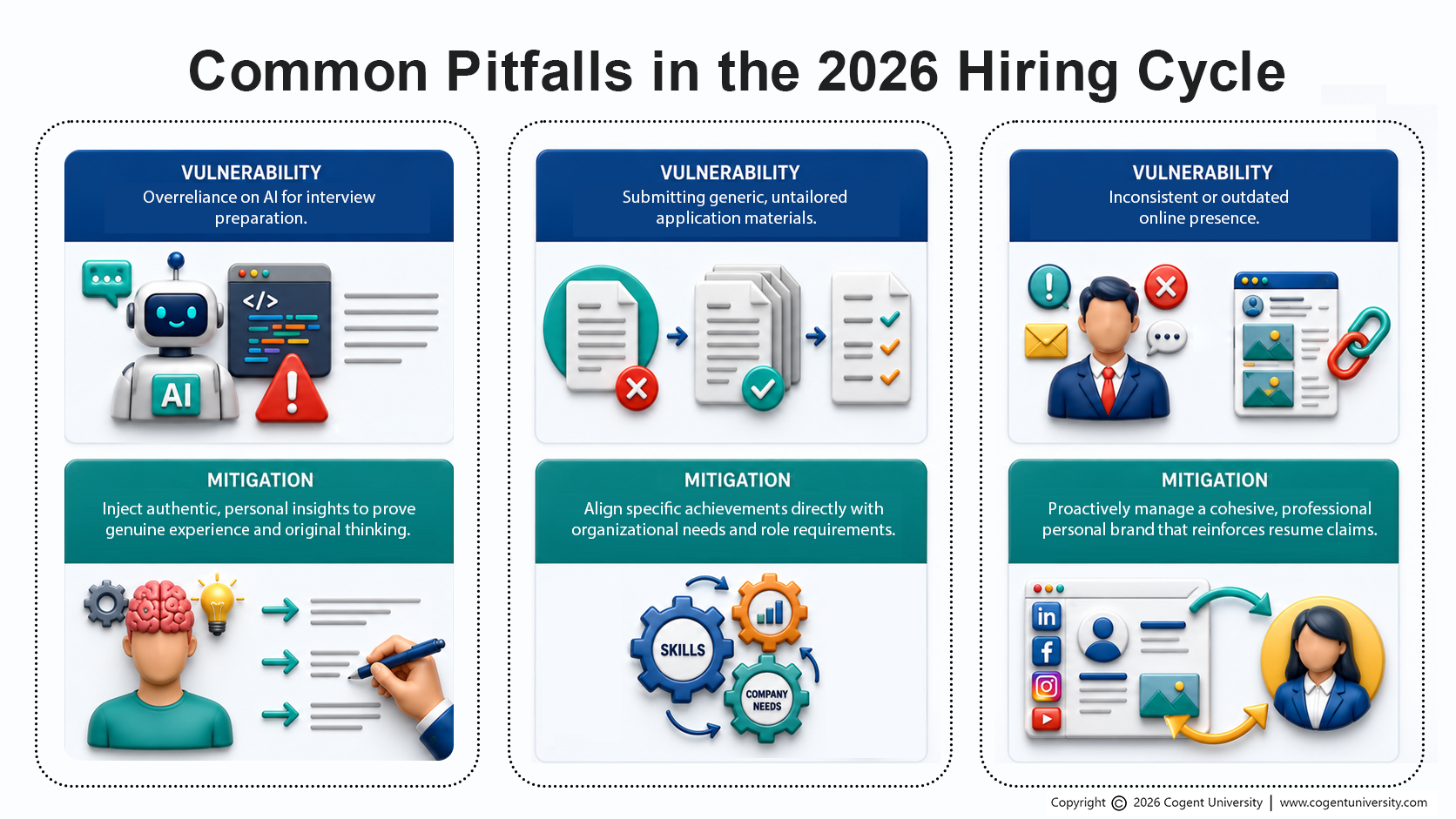
A strong personal brand helps reinforce professional identity and career goals. It communicates consistency between what candidates claim on their resumes and how they present themselves publicly.
Candidates who share industry insights, participate in professional discussions, showcase projects, or engage with relevant communities often create positive impressions before a recruiter ever reaches out.
At the same time, online presence requires careful management. Inconsistent messaging, unprofessional content, or outdated profiles can create concerns during the hiring process.
Building a professional digital presence is no longer optional for many careers. It has become an important component of career development and visibility.
The rise of distributed teams has transformed how organizations operate.
Employees increasingly collaborate with colleagues across multiple locations, departments, and time zones. Success depends not only on individual performance but also on the ability to work effectively with others.
Recruiters look for candidates who demonstrate accountability, initiative, adaptability, and strong interpersonal skills. They want individuals who can contribute positively to team dynamics while remaining productive in both independent and collaborative environments.
Cross-functional collaboration has become especially important. Modern projects often involve professionals from different disciplines working together to achieve shared goals. Candidates who can bridge communication gaps, build relationships, and contribute across departments provide significant value to employers.
Teamwork today extends far beyond simply getting along with colleagues. It involves actively supporting collective success while maintaining personal accountability.
For many years, organizations focused heavily on cultural fit. While alignment with organizational values remains important, many employers are shifting toward a broader concept: cultural contribution.
Rather than asking whether someone will fit in, recruiters increasingly ask how they will add value to the workplace culture.
Organizations recognize that innovation often emerges from diverse perspectives, experiences, and ideas. Hiring individuals who bring unique viewpoints can strengthen creativity, problem-solving, and decision-making.
Recruiters therefore, pay close attention to professionalism, respect, inclusion, adaptability, and interpersonal behavior throughout the hiring process.
Candidates who demonstrate empathy, openness, and a willingness to collaborate across differences often stand out as valuable additions to modern workplaces.
The resume itself has evolved.
Recruiters increasingly favor skills-focused resumes that clearly communicate capabilities, accomplishments, and measurable outcomes. Generic job descriptions have become less effective than concise examples of impact and achievement.
Tailoring applications to specific roles remains essential. Recruiters expect candidates to understand the position, align their experiences with organizational needs, and demonstrate genuine interest.
Interviews have also changed significantly. Behavioral interviewing remains common, but many organizations now incorporate skills assessments, practical exercises, simulations, and scenario-based evaluations.
These methods allow recruiters to observe how candidates think, communicate, and solve problems in realistic situations.
Preparation is more important than ever. Candidates who research organizations, understand industry trends, and articulate their experiences effectively often gain a significant advantage during the selection process.
Despite changing hiring practices, several mistakes continue to undermine otherwise qualified candidates.
Generic applications remain one of the most common issues. Recruiters can quickly identify resumes and cover letters that lack customization or fail to address the role's requirements.
Insufficient preparation also creates negative impressions. Candidates who know little about the organization, struggle to explain their achievements, or fail to ask thoughtful questions may appear disengaged.
Overreliance on AI-generated responses has become another growing concern. Recruiters increasingly recognize scripted answers that lack authenticity or personal insight.
Technology can support preparation, but genuine experiences and original perspectives remain far more persuasive during interviews.
Ultimately, recruiters want to connect with real people who understand their strengths, communicate honestly, and demonstrate enthusiasm for contributing to organizational success.
For students and emerging professionals, preparing for the future workforce begins long before graduation.
Internships, industry projects, certifications, volunteer experiences, and networking opportunities provide valuable exposure to real-world work environments. These experiences help candidates develop practical skills while building confidence and professional credibility.
Equally important is cultivating a long-term learning mindset. Career development is no longer a one-time achievement tied to earning a degree. It is an ongoing process of growth, adaptation, and skill development.
Future-ready professionals combine technical expertise with human-centered capabilities such as communication, collaboration, critical thinking, and emotional intelligence. They remain curious about industry changes and proactively invest in continuous improvement.
The most successful candidates understand that employability is not a static destination but a lifelong commitment to learning and growth.
The expectations recruiters have for candidates in 2026 reflect a broader transformation taking place across the workforce.
Success is no longer defined solely by educational credentials, job titles, or years of experience. Employers are increasingly focused on skills, adaptability, digital fluency, communication, collaboration, and demonstrated impact.
Recruiters want candidates who can learn continuously, embrace change confidently, solve meaningful problems, and contribute positively to organizational success. They seek individuals who combine technical knowledge with the human skills that technology cannot replace.
For students and professionals alike, the message is clear: the future belongs to learners.
Those who invest in developing future-ready skills, embrace lifelong learning, and remain adaptable in a rapidly changing world will be best positioned for long-term career success.
At Cogent University, learners are empowered to build the knowledge, confidence, and practical capabilities needed to thrive in today's evolving workforce and prepare for the opportunities of tomorrow. The careers of the future are already taking shape, and the best time to prepare for them is now.
The future belongs to those who never stop learning. Start building the skills that set you apart with Cogent University.
.png)
Dedicated to your professional growth, Cogent University offers comprehensive tech training. We combine practical, project-based learning with elite career support to build tomorrow's developers.